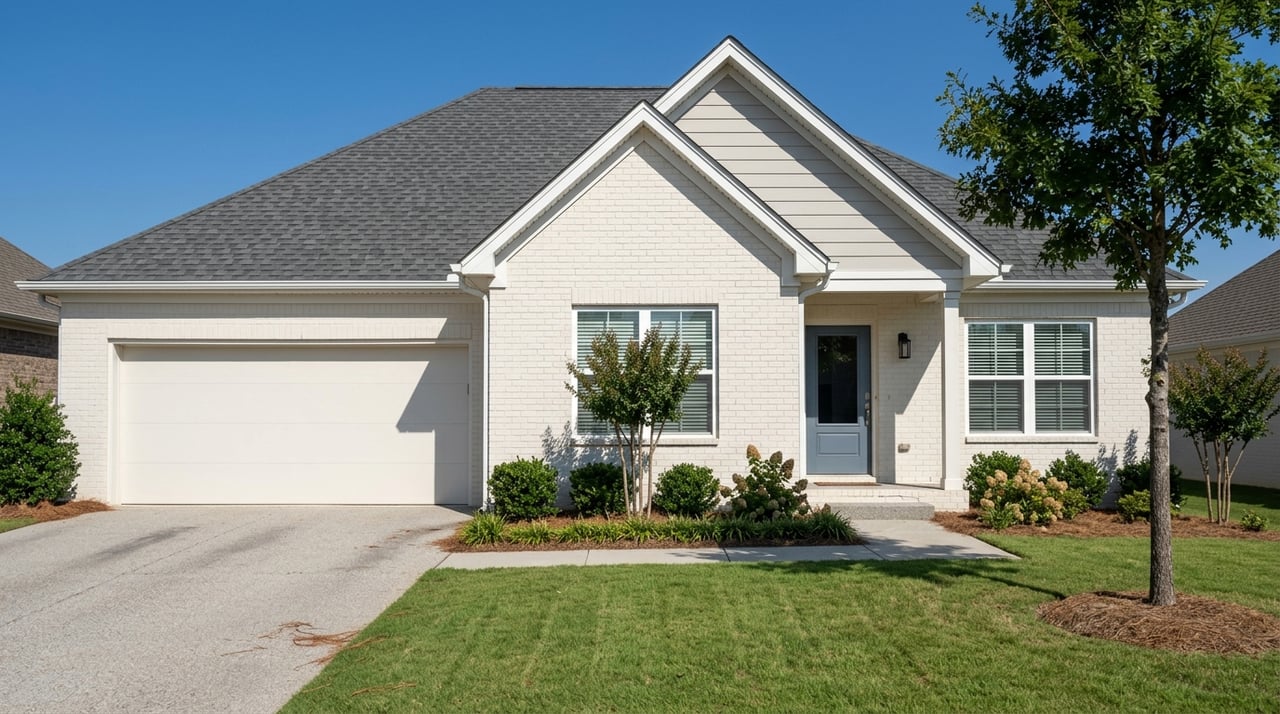
Is Investing in Indian Land Homes the Right Move?
July 2, 2026
July 2, 2026
Thinking about buying an investment property in Indian Land? You are not alone. This Charlotte-adjacent market draws attention from both small investors and move-up buyers who want more space, a suburban setting, and a property with long-term potential. The key is knowing where the opportunity is, where the risks are, and how to evaluate a single-family home with clear eyes. Let’s dive in.
Indian Land sits in a price range that is meaningful, but still within reach for many buyers looking beyond Charlotte. Current market data places typical home values and listing prices in the mid-$500,000s, with Zillow reporting a typical home value of $534,962 and Realtor.com showing a median listing price of $535,000. Median sale pricing also lands in a similar range, which gives you a fairly consistent picture of the market.
This is also a market that still moves. Realtor.com reports median days on market of 43, while Zillow shows homes going pending in about 32 days. That does not mean every property sells fast, but it does suggest buyers are active and well-priced homes can attract attention.
If you are focused on single-family homes, Indian Land gives you options, but not many true bargain options. Realtor.com currently shows 312 single-family homes in the market, with most of the activity concentrated below $500,000 rather than deep into entry-level pricing.
Here is what that price spread looks like:
That last group matters because the lowest-priced results are mostly land rather than finished homes. In practical terms, Indian Land is not an ultra-cheap single-family entry point. If you want to buy below the market median, you may need to accept a smaller home, a townhome alternative, a fixer-upper, or a property with tradeoffs.
Indian Land appeals to buyers who want suburban housing stock near the Charlotte area. The 29707 ZIP profile shows 37,629 residents, 14,931 households, a median household income of $118,295, and a 90% owner-occupied rate. It also shows that 88% of housing structures are single-unit properties.
Those numbers point to a market with a strong single-family character. For you as an investor or buyer, that can matter because it supports demand for homes that offer practical suburban features like more bedrooms, garages, yards, and flexible living space.
Lancaster County planning documents also reinforce the growth story. The county notes that population has grown about 20% since the 2010 Census, with much of that growth in Indian Land. The same plan says the US 521 corridor is one of the fastest-growing office, light industrial, and retail areas in the Charlotte region.
One of Indian Land’s strongest advantages is its position near major Charlotte-area activity. Lancaster County’s Southern Panhandle plan highlights proximity to Ballantyne, Waxhaw, and Weddington. That matters because many buyers and renters look for practical access to work, shopping, and daily services rather than just a lower purchase price.
For many households, commute convenience is part of the value equation. Indian Land also sits in an area with continued development potential, with Lancaster County noting that about 88% of the plan area is undeveloped or underdeveloped. That can be a positive sign for future growth, though it also means you should pay attention to how new supply could affect competition over time.
For buyers comparing suburban areas, access to local schools is often part of the decision-making process. Lancaster County School District serves the Indian Land corridor with Indian Land Elementary, Indian Land Intermediate, Indian Land Middle, and Indian Land High.
It is best to treat school proximity as one piece of overall housing demand rather than the only factor. In Indian Land, the combination of owner-occupied housing, single-family supply, and local school access helps explain why the area continues to draw move-up buyers and households looking for more space.
If your goal is to hold a property as a rental, Indian Land offers an interesting profile. Realtor.com shows a median rent of about $2.2K, and active single-family rentals include larger homes around $2,900 to $3,000 per month.
That rent level stands above many inland South Carolina markets. Combined with the area’s higher household income profile and Charlotte-adjacent location, it suggests there may be demand for well-kept suburban rental homes, especially larger floor plans.
That said, rent alone does not tell the full story. Your cash flow depends on the full cost picture, including mortgage terms, taxes, insurance, HOA costs, maintenance, and any vacancy or turnover periods.
A common mistake in suburban investing is focusing too much on the purchase price and not enough on the carrying costs. In Indian Land, that can be especially important because this is not a low-cost market, and many properties come with features or community structures that add to your monthly expense.
If you are comparing homes, look beyond the list price and ask:
A property that looks affordable on paper can become much less attractive if it carries special assessments, deferred maintenance, or restrictions that interfere with your rental plan.
South Carolina does not have a comprehensive HOA law, but associations must follow the South Carolina Homeowners Association Act. The South Carolina Department of Consumer Affairs also notes that sellers must disclose whether a property is governed by an HOA on the South Carolina Residential Property Disclosure Statement.
For you, the takeaway is simple: read the documents before you commit. That review should include the declaration, bylaws, rules, budget, and amendment history.
Pay close attention to these items:
These issues are not minor details. They can directly affect your ability to rent the home, manage it efficiently, and predict long-term costs.
Some Indian Land parcels may include separate stormwater maintenance responsibilities. Lancaster County states that landowners and future owners can be responsible for maintaining stormwater facilities, and those obligations may also bind an HOA or POA.
This is the kind of detail that many buyers miss on a first pass. Before you make an offer, verify whether the property has any recorded stormwater agreements or maintenance plans that transfer with ownership.
Indian Land sits in a climate pattern shaped by heat, humidity, and regular summer rainfall. Nearby Charlotte Douglas Airport normals show average July highs of 90.3°F, August highs of 88.6°F, and annual precipitation around 49.3 inches.
That climate should shape how you inspect and underwrite a property. In this environment, systems and exterior materials work hard, and small issues can turn into expensive repairs if they go unchecked.
Focus your review on:
If you are buying a value property, ask not only what it needs today, but what recurring costs you are likely to face over the next few years.
Indian Land’s active inventory includes both new construction and resale homes. That gives you flexibility, but each option comes with a different investment profile.
New construction may offer lower immediate repair risk and modern layouts that appeal to today’s buyers and renters. On the other hand, a resale home may give you a better location, a larger lot, or a lower purchase price if you are willing to take on updates.
The right choice depends on your goals. If you want lower near-term maintenance, newer construction may be attractive. If you are looking for value-add potential, a resale home with solid fundamentals may offer a stronger upside.
Indian Land can make sense if you are looking for a Charlotte-area suburban market with strong single-family orientation, active demand, and room for long-term growth. It is especially worth a look if you want to serve move-up households, relocators, or renters seeking more space and a suburban setting.
It may be less appealing if you are looking for a low-cost entry market with easy cash flow from day one. Pricing in the mid-$500,000s means you need to underwrite carefully and stay disciplined about repairs, HOA review, and full monthly ownership costs.
If you are seriously considering investing in Indian Land single-family homes, try to view each property through three lenses at once: market position, property condition, and ownership rules. A home can look attractive in one category and still miss the mark overall.
A smart review process should include:
When you approach the market this way, you give yourself a much better chance of buying with confidence instead of buying on hope.
Indian Land offers real opportunity, but it rewards buyers who stay practical. If you want help identifying the right fit, comparing neighborhoods, or evaluating single-family options in this part of the Charlotte area, connect with Michael Rowell.
Stay up to date on the latest real estate trends.
Whether buying, selling, or investing, Michael Rowell delivers unmatched service and results. Partner with a local expert who puts your needs first and guides you every step of the way.