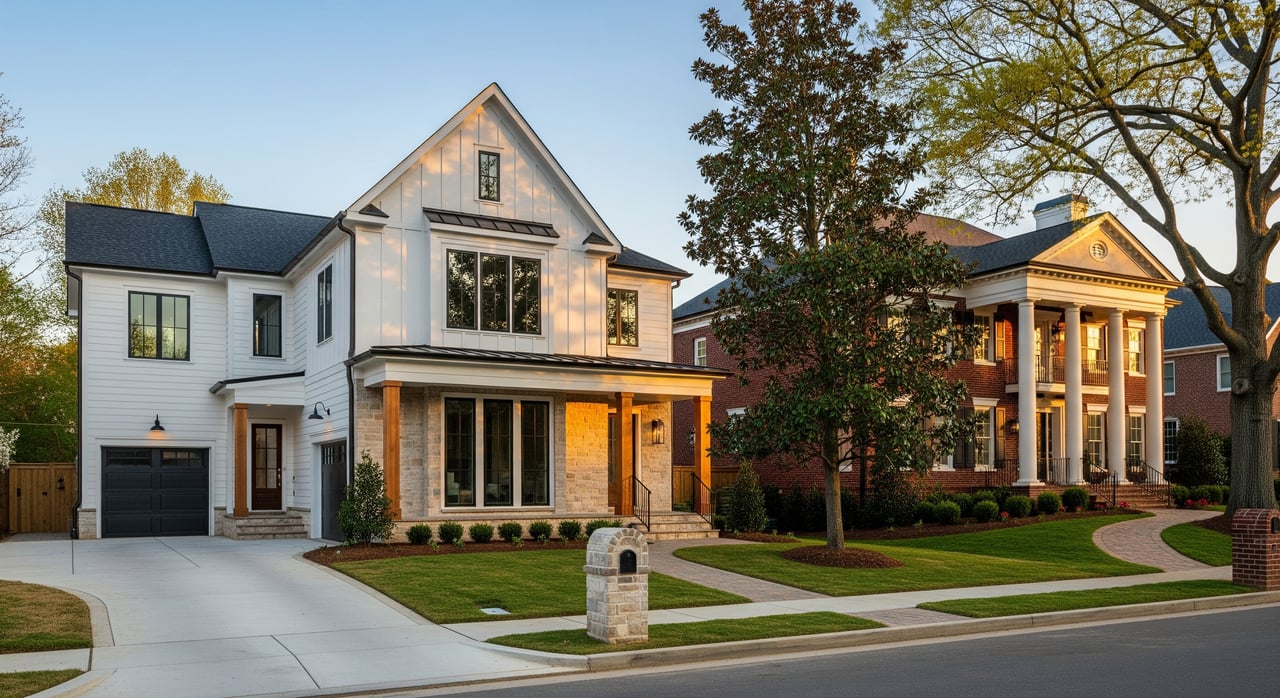
Choosing New Construction or Resale in Indian Trail NC
January 15, 2026
January 15, 2026
Trying to choose between a brand-new build or a resale home in Indian Trail? You are not alone. With a mix of new communities and established neighborhoods, it can be tough to know which path fits your budget, timeline, and lifestyle. In this guide, you will learn the key tradeoffs, what to expect in the process, and how to protect your investment from contract to closing. Let’s dive in.
Indian Trail sits in Union County within the Charlotte metro, with convenient access to I-485 and the US-74 corridor. Many buyers choose the area for suburban amenities, commutable access to Charlotte, and a variety of local school options. You will find both master-planned new-home communities and pockets of resale properties across different price points.
Price is more than the sticker number. With new construction, you will see a base price that can rise with design center selections and change orders. Builders sometimes offer incentives, such as closing cost contributions, lender credits, or rate buydowns that improve affordability. With resale homes, you are more likely to negotiate price, repairs, or closing cost help based on inspection findings and comps.
Financing also differs. New construction may involve construction-to-permanent loans or builder preferred-lender programs tied to incentives. Resale purchases typically use conventional, FHA, or VA loans in a straightforward closing. Always compare lender quotes, even if a builder incentive requires using a preferred lender, to make sure the total cost works for you.
If you need to move soon, resale often wins on speed. Many resale deals close in about 30 to 60 days after inspections, appraisal, and underwriting. New construction usually takes longer. A typical production build can range from roughly 3 to 9 months from contract to closing, depending on whether you choose a to-be-built plan or a quick-move-in spec home. Permitting, materials, and weather all affect timing.
New builds give you modern layouts and energy-efficient systems that help reduce early maintenance. You can select finishes and sometimes tweak layouts, which is a big draw for many buyers. Resale homes offer established settings and potential value opportunities, but you may plan for updates to wiring, HVAC, insulation, roof, or cosmetic finishes. Renovations can add value, though they require time and budget.
A builder’s inspections and municipal permits help ensure code compliance, but they are not a substitute for your own inspector. Independent inspections are recommended for both new and resale purchases.
Typical builder warranty structure often includes one year for workmanship, one to two years for major systems like HVAC, plumbing, and electrical, and a limited structural warranty that can extend up to 10 years. Request the warranty in writing at contract signing, track punchlist items, and submit claims within the stated timelines.
Many Indian Trail new-home communities have HOAs with design standards, amenities, and monthly or annual dues. Newer HOAs may have limited reserves, especially while amenities are still being built. If you consider a resale in an HOA, you can usually review budgets, meeting minutes, and rule histories to understand fees and restrictions.
In North Carolina, community associations are governed by statutes such as the Planned Community Act and Condominium Act. Ask for governing documents, current budgets, reserve information, recent meeting minutes, and any special assessment history. Also review rental policies, architectural guidelines, and pet rules if these matter to you.
On the local side, it helps to check Town of Indian Trail planning and Union County permitting for approved subdivisions, future phases, and nearby road improvements. Planned infrastructure can affect traffic patterns and long-term value, so a quick review is worth your time.
Both pathways can hold value, but for different reasons. New construction in a popular community can attract buyers later, especially when lots, location, and amenities stand out. That said, large numbers of similar homes can moderate appreciation. Resale homes in well-located areas can perform well over time, and thoughtful updates can boost value. Focus on lot quality, neighborhood appeal, commute access, and community rules when comparing.
Choose new construction if you want modern layouts, energy efficiency, and the ability to personalize finishes, and you have the time to wait. Choose resale if you value a faster move, established neighborhoods, and more room to negotiate on price or repairs. In Indian Trail, both options are on the table. The right choice comes down to your budget, timing, and comfort with customization or renovation.
Ready to compare live opportunities, incentives, and timelines in Indian Trail? Connect with Michael Rowell for a focused plan tailored to your move.
Stay up to date on the latest real estate trends.
Whether buying, selling, or investing, Michael Rowell delivers unmatched service and results. Partner with a local expert who puts your needs first and guides you every step of the way.