Are you noticing HOA fees on Fort Mill listings and wondering how they affect your budget and lifestyle? You are not alone. Many Fort Mill neighborhoods use homeowners associations to maintain amenities, set standards, and manage shared infrastructure. In this guide, you will learn how HOAs work in South Carolina, what fees typically cover, the documents to review, red flags to watch, and how to compare communities with confidence. Let’s dive in.
HOA basics in Fort Mill
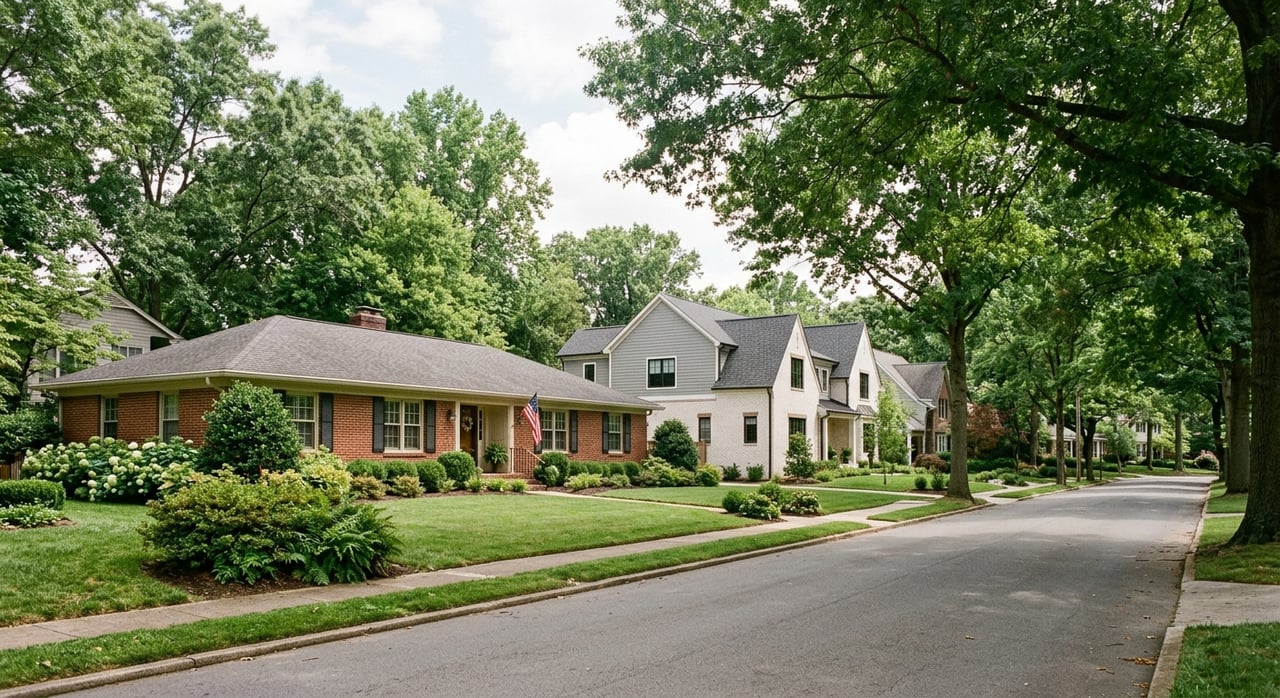
Many Fort Mill neighborhoods are in an HOA or part of a larger master-planned community with layered associations. That can mean a master association plus a sub-association for your specific section or building. The Town of Fort Mill publishes guidance for HOA boards and residents on topics like stormwater ponds, private roads, and right-of-way questions. You can review the town’s resource page to understand how responsibilities get assigned in local communities. Fort Mill’s HOA information is a great starting point.
South Carolina’s Homeowners Association Act requires HOAs to record their governing documents to make rules enforceable. It also sets notice rules for budget changes and makes amendments accessible to members. When you evaluate a home, assume the recorded declaration, bylaws, and rules are the primary source for an HOA’s powers, fees, and processes. You can read the statute for a plain-language understanding of your rights and the association’s duties in the South Carolina Homeowners Association Act.
Associations in South Carolina can place liens for unpaid assessments. State law sets constraints and procedures around foreclosure related to those liens. Before you buy, confirm how your community’s declaration, collection policy, and state law work together. You can review legislative details in this South Carolina lien and foreclosure reference.
What HOA fees usually cover
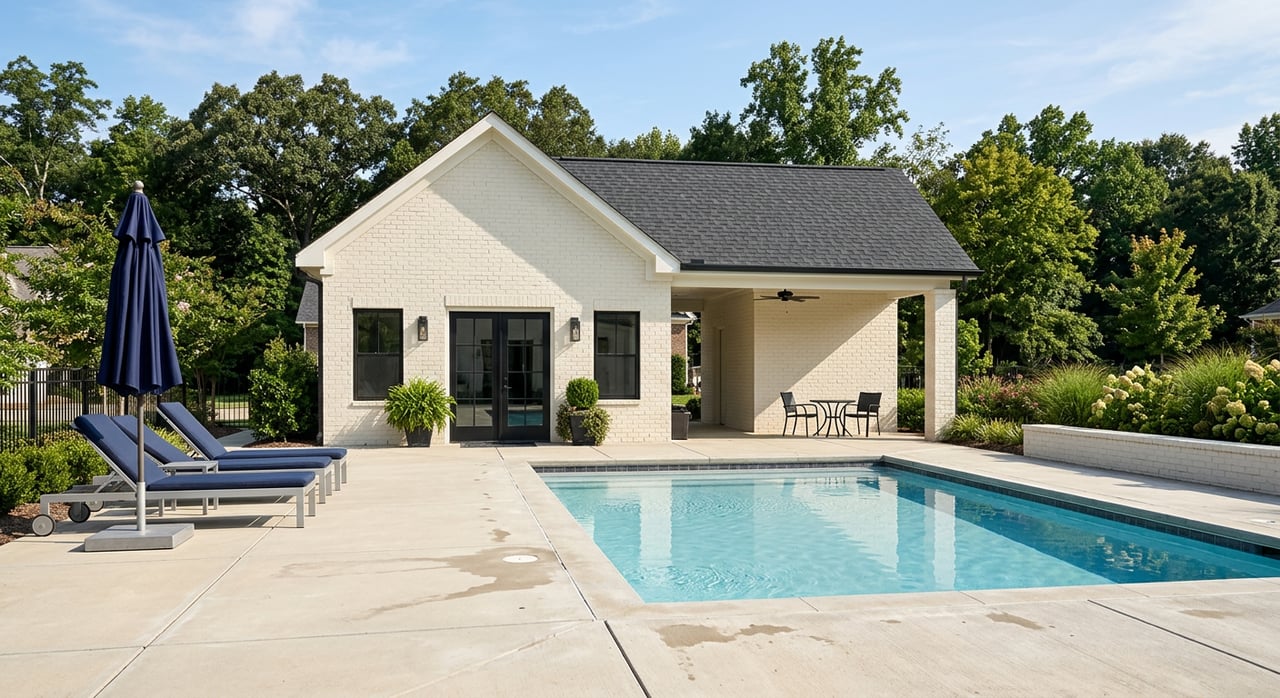
HOA fees fund the things you see and many you do not. Typical line items include landscaping for entrances and common areas, pools and clubhouses, playgrounds and trails, private street repairs, lighting, management, accounting, legal, insurance for common areas, and reserve contributions for big-ticket repairs. For a helpful overview of what dues often include, see this primer on what HOAs pay for.
Amenity-heavy and age-restricted neighborhoods often have higher recurring dues. Fees tend to be higher when an HOA funds staffed clubhouses, indoor and outdoor pools, programmed activities, and private roads. In the Fort Mill area, active-adult communities commonly show monthly dues in the mid-hundreds. In a mixed-use, master-planned neighborhood, you might see a combination of annual master dues and separate monthly sub-association charges. Always verify whether a listing’s single “HOA” line is actually more than one assessment.
Fort Mill fee snapshots
These ranges come from recent listing and community references and are meant as ballpark examples. Always confirm for a specific property during due diligence.
- Baxter Village: Many listings show annual master dues roughly in the 1,000 to 1,300 dollar range. Some homes or units also have separate monthly or building-level fees. Confirm whether the listing combines master and sub-association charges.
- Carolina Orchards (active adult): Listings often show monthly dues around 285 to 325 dollars. Some sales include a one-time capital contribution at closing that is tied to a number of months of dues.
- Sun City Carolina Lakes (active adult): Typical monthly dues in listings often run in the 260 to 365 dollar range, depending on home type and inclusions.
How to compare costs
Build a simple side-by-side for each community:
- Regular dues and pay schedule. Monthly, quarterly, or annual. Note master and sub-association amounts separately.
- What dues cover. Exterior maintenance, landscaping, trash, water or sewer, cable, security, amenity staffing, and private road care. You can use budget line items to verify. A quick overview of common inclusions is here: what HOAs pay for.
- Closing-time charges. Transfer or resale fees, capital contributions, and processing fees.
- Special assessment history. The best predictor of risk is past practice. Minutes and reserve reports help you gauge this.
Budgeting with HOAs
A practical model helps you compare apples to apples:
- Convert annual dues to monthly. Monthly equivalent equals annual dues divided by 12, plus any separate monthly assessments. For example, 1,200 dollars per year equals about 100 dollars per month.
- Add a buffer. Many buyers plan for a 5 to 15 percent cushion on top of current dues to account for routine increases. Review minutes to refine that estimate. Guidance on reserve funding and risk is available from community association resources like this reserve funding overview.
- Value the amenities. If an HOA provides services you would pay for anyway, compare the HOA’s cost share to what you would spend on a gym, pool, or community programming.
The must-read documents
Before you write an offer, request and review these items. They show you the rules, the numbers, and any closing-time charges.
- Declaration / CC&Rs. These recorded covenants establish use restrictions, rental rules, pet and parking limits, architectural control, and any transfer or exit fees. Recording and access standards are set by the South Carolina Homeowners Association Act.
- Bylaws and Rules & Regulations. These show how the board operates, meeting notice rules, fines, and amenity policies.
- Current budget and financials. Ask for the operating budget, income and expense statements, and recent bank or treasury reports. You are confirming that dues cover routine costs. See this community association discussion on financial reviews and reserves.
- Reserve study or summary. A reserve study estimates future major repairs and the funding set aside for them. Underfunded reserves raise the risk of special assessments. Learn the basics from this reserve study best practices guide.
- Meeting minutes (12–24 months). Minutes reveal upcoming projects, disputes, enforcement trends, and any talk of special assessments.
- Estoppel or resale certificate. This official statement confirms the seller’s account status, current dues, pending assessments, and any transfer or processing fee. Many communities deliver resale packets in about 5 to 15 business days, with rush options for a fee. Read more in this HOA estoppel guide.
- Insurance summary. For condos or shared-roof communities, verify what the master policy covers and what you must insure.
- Litigation and collection policy disclosures. Pending lawsuits or an aggressive collection pattern can increase risk. South Carolina law recognizes association liens while setting rules around foreclosure actions. You can see legislative background in this state lien and foreclosure reference.
Rules that affect lifestyle and resale
Architectural controls
Most HOAs require approval for exterior changes. Fences, paint colors, additions, solar panels, and major landscaping often need an application to an architectural review committee. Ask for the written guidelines and the typical approval timeline. Review minutes for examples of prior approvals and denials.
Rental and occupancy limits
Communities can limit short-term rentals or set minimum lease terms if the restrictions are recorded. Age-restricted communities may have rules that control occupancy and amenities. Check the recorded covenants and any amendments, which are governed by the South Carolina Homeowners Association Act.
Roads and stormwater
In Fort Mill, some roads and stormwater systems are maintained by the HOA rather than the town. That impacts long-term budgets and reserve needs. Confirm who maintains roads and ponds with both the HOA and the town. The town’s resource page explains these responsibilities. See Fort Mill’s HOA information for context.
Red flags to investigate
- No recent reserve study or low reserves. This raises the chance of special assessments. Review the reserve information and percent-funded level. See reserve funding guidance.
- Frequent special assessments. Look for a pattern in minutes and budgets. Repeated unplanned charges can signal poor planning. Reference best practices in this reserve study guide.
- High transfer or exit fees. Some Fort Mill master-planned communities have recorded fees at resale. Local reporting shows these can be material, so you should confirm the formula in the declaration. See this news report on HOA transfer fees.
- Litigation or heavy collections activity. Pending lawsuits or high delinquency rates can strain budgets. Review disclosures and financials, and understand state rules around liens and foreclosure using this South Carolina reference.
- Inconsistent enforcement. Vague or uneven rule enforcement can lead to disputes and unpredictability. Meeting minutes help you spot patterns.
How to shop smarter in HOA communities
Follow this simple plan to keep your search on track:
- Ask for a breakdown of dues early. Confirm whether there is a master association and a sub-association. Request the most recent invoice and the next 12 months of the payment schedule.
- Get the budget and reserve information. Ask when the last reserve study was done and the percent-funded level. Check for any planned capital projects or assessment votes within 12 to 24 months.
- Confirm closing-time charges. Ask if there is a transfer, resale, or capital contribution fee, and who typically pays it. Make sure these appear correctly on the closing statement.
- Order the estoppel or resale packet as soon as your offer is accepted. Plan for 5 to 15 business days. Rush options may be available for a fee. Learn the steps in this estoppel guide.
- Verify roads and stormwater responsibilities with the town and the HOA. This affects future budgets and maintenance expectations. Check Fort Mill’s HOA information.
- If a rule matters to you, get it in writing. That includes rental limits, parking rules, pet policies, or guidelines for exterior changes. Ask for examples of recent decisions in minutes.
- When language is complex, consult a South Carolina real estate attorney. The state HOA statute provides the framework, but advice helps you apply it to your specific purchase.
Fort Mill community snapshots
Baxter Village
Baxter Village is a walkable, mixed-use master plan with layered associations. You may see annual master dues plus separate monthly building or sub-association fees. Buyers are often drawn to the village feel and amenities, so it pays to confirm total recurring dues and any transfer or processing fees in the recorded documents and estoppel.
Active-adult communities
Carolina Orchards and Sun City Carolina Lakes are examples of amenity-rich, age-restricted neighborhoods. Monthly dues commonly sit in the mid-hundreds to support pools, clubhouses, and active programming. The tradeoff is higher recurring costs in exchange for consistent access to facilities and organized activities. Confirm any capital contribution due at closing, along with residency and resale rules in the recorded documents.
HOAs and resale value
National research finds that homes in HOA communities tend to sell for a measurable premium on average. A 2019 study estimates an average price premium of about 4 percent for homes in HOAs nationwide. That premium reflects the market value of predictable standards and maintained amenities. You can review the study summary here: HOA price premium research.
Your next step
If an HOA home in Fort Mill fits your lifestyle, go in with clear numbers and a firm handle on the rules. Confirm the dues, understand what they cover, and read the recorded documents before you commit. With the right plan, an HOA can deliver strong value and a community feel that matches your goals.
Have questions or want a side-by-side comparison of Fort Mill HOA communities that fit your budget and wish list? Reach out to Michael Rowell for expert, local guidance and a smooth, well-managed path from search to close.
FAQs
What is an HOA and how common are they in Fort Mill?
- An HOA is an organization that maintains common areas, enforces recorded covenants, and manages shared services; many Fort Mill neighborhoods have HOAs, including master-planned communities with layered associations.
How much are typical HOA fees in Fort Mill?
- Fees vary by community and home type; recent listings show examples ranging from about 1,000 to 1,300 dollars per year for master dues in some neighborhoods to roughly 260 to 365 dollars per month in amenity-heavy active-adult communities.
What do HOA fees usually cover for Fort Mill homes?
- Dues often fund landscaping, pools and clubhouses, private street upkeep, lighting and utilities for common areas, management, insurance, and reserves for major repairs.
Which HOA documents should I review before I buy?
- Review the recorded declaration, bylaws, rules, budget and financials, reserve study, meeting minutes, insurance summary, and the estoppel or resale certificate that confirms dues and closing-time charges.
How long does the HOA estoppel or resale packet take?
- Many communities deliver resale packets in about 5 to 15 business days, with rush options available for an extra fee; build this timing into your contract.
Can an HOA in South Carolina foreclose for unpaid dues?
- Associations can record liens for unpaid assessments, and state law governs collection and foreclosure procedures with specific constraints and protections, so confirm your community’s policies and the state rules together.
What are transfer or exit fees in Fort Mill HOAs?
- Some communities charge transfer or capital contribution fees at closing if allowed by the recorded documents; amounts and formulas vary, so verify the exact charges in the declaration and estoppel.