New Communities Vs Established Streets In Monroe, NC
May 28, 2026
May 28, 2026
Wondering whether a newer neighborhood or an older street is the better fit in Monroe? You are not alone. If you are buying in a fast-growing city, the real question is usually not new versus old in the abstract. It is which setting best matches your daily routine, your long-term goals, and the kind of homeownership experience you want. In Monroe, both options can make sense, and knowing the local differences can help you choose with more confidence. Let’s dive in.
Monroe is growing quickly, and that growth affects how neighborhoods feel and function. The U.S. Census Bureau estimates Monroe had 40,054 residents as of July 1, 2024, which is a 15.7% increase from the 2020 base. For buyers, that kind of growth can influence everything from housing choices to traffic patterns to future resale conversations.
Monroe also has a mix of old and new development that gives you real variety. Downtown Monroe is framed by historic architecture, retail, dining, entertainment, and upper-floor residential space, while the city’s Forward Monroe planning effort is helping shape future land use and transportation decisions. That means your neighborhood choice is tied not only to the house itself, but also to how the city is evolving around it.
If you commute, location matters even more. Census data lists Monroe’s mean travel time to work at 29.9 minutes, and the city is working on transportation improvements around corridors like US 74 and Rocky River Road. Those updates may affect convenience, traffic flow, and how certain areas are viewed over time.
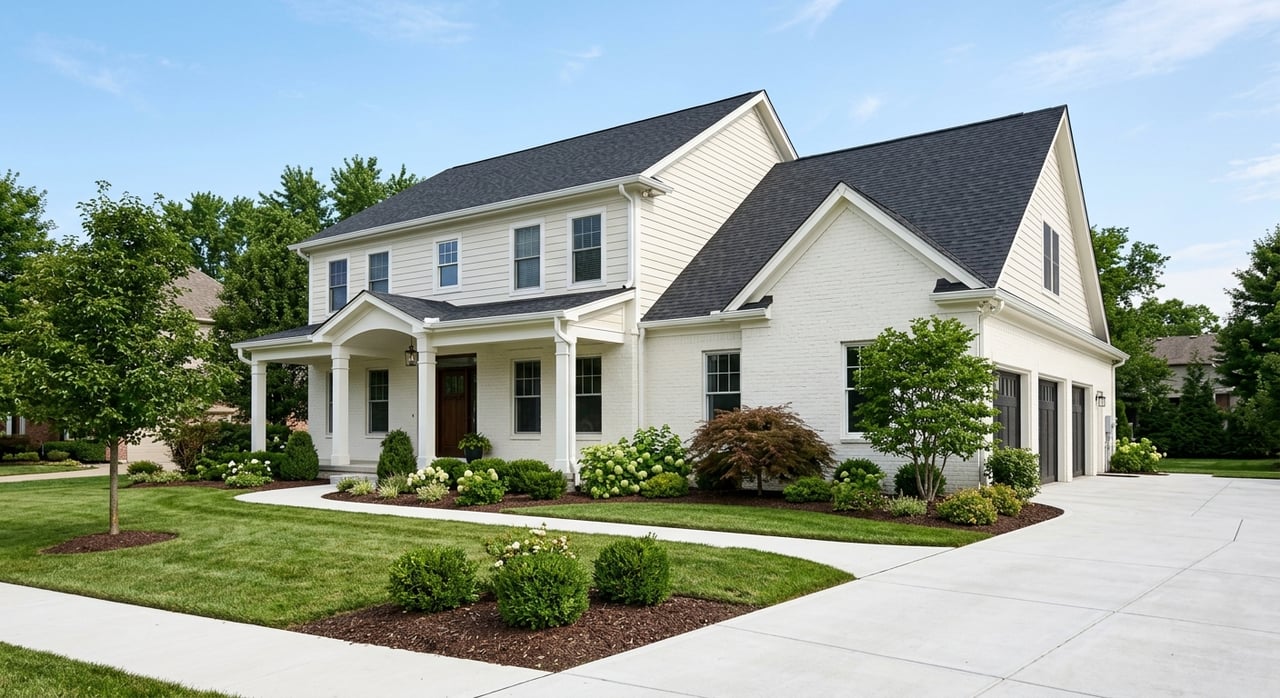
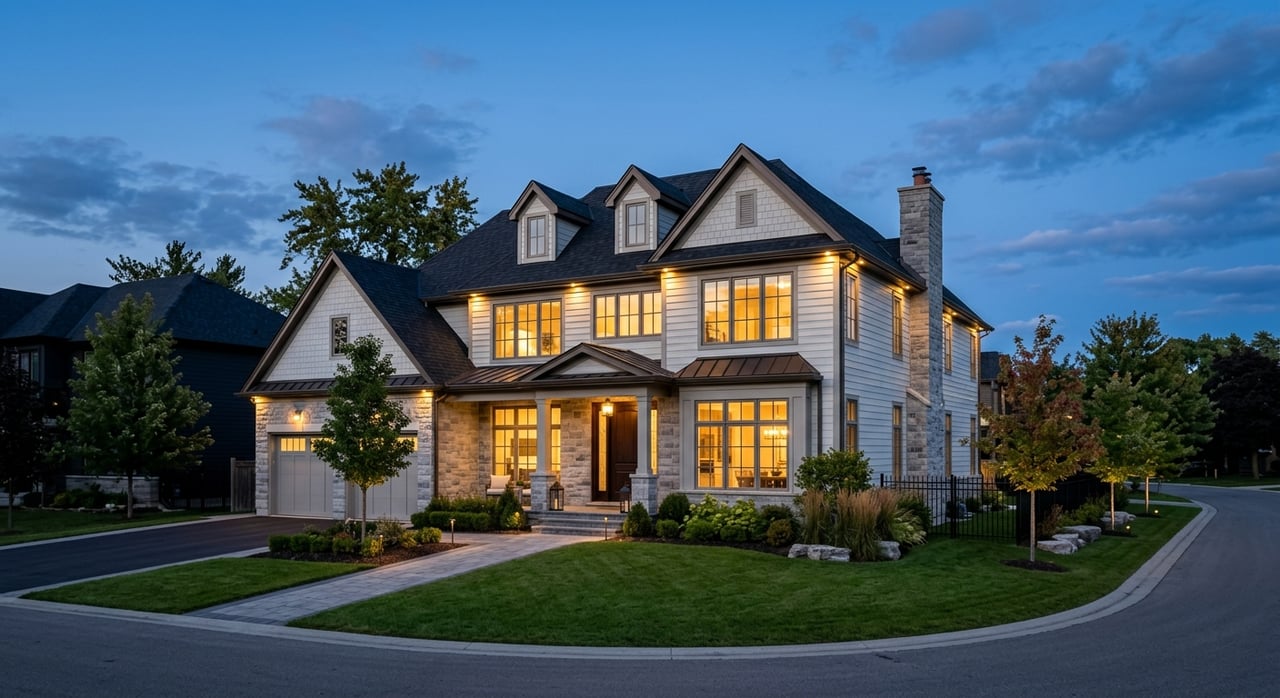
Newer planned communities in Monroe often appeal to buyers who want a more predictable setup. The city’s development rules support planned and cluster-style residential neighborhoods, with lot types ranging from larger estate lots to smaller single-family lots. In practical terms, that can mean newer floor plans, more consistent streetscapes, and a neighborhood design that feels more coordinated.
Planned Unit Developments, often called PUDs, are a key part of this picture. In Monroe, a PUD must be at least 10 acres, can include flexible design standards, and must keep at least 35% of the site as open space. That helps explain why many newer neighborhoods feel more intentionally laid out and more focused on shared outdoor areas.
New subdivisions also tend to come with modern infrastructure standards. Monroe requires electric, telephone, internet, and similar utilities to be installed underground in subdivisions created after the current ordinance. Private streets can also be allowed, but they must be built to the same standards as city streets.
Another important detail is open space. New residential subdivisions with four or more lots must provide centrally located private common open space at a rate of 435 square feet per dwelling unit. That space must be managed by a homeowners association and improved with walking paths or recreation amenities, which helps explain why many newer communities feel more amenity-oriented and more structured.
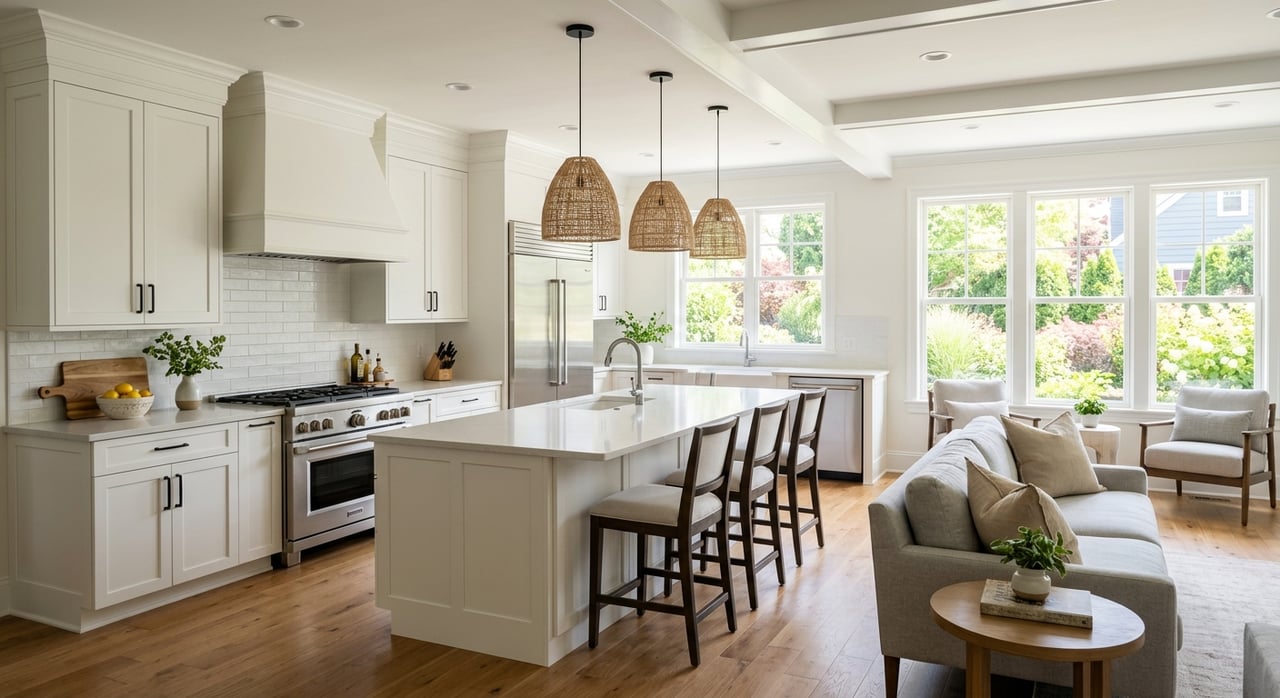
If you want a home that feels move-in ready from a layout and systems standpoint, a newer community may be the better match. You may also appreciate having shared open space, sidewalks or paths, and a neighborhood setup with clearer expectations around maintenance and appearance.
For some buyers, the appeal is simplicity. HOA or POA structures often manage common open space, and the overall look of the neighborhood may feel more uniform from one street to the next. That can be especially attractive if you value consistency and want a straightforward ownership experience.
Even if a newer neighborhood checks many boxes, you still want to review the details carefully. A community with amenities and private common areas may also come with rules, dues, or maintenance obligations that affect your budget and lifestyle.
Before you write an offer, make sure you understand:
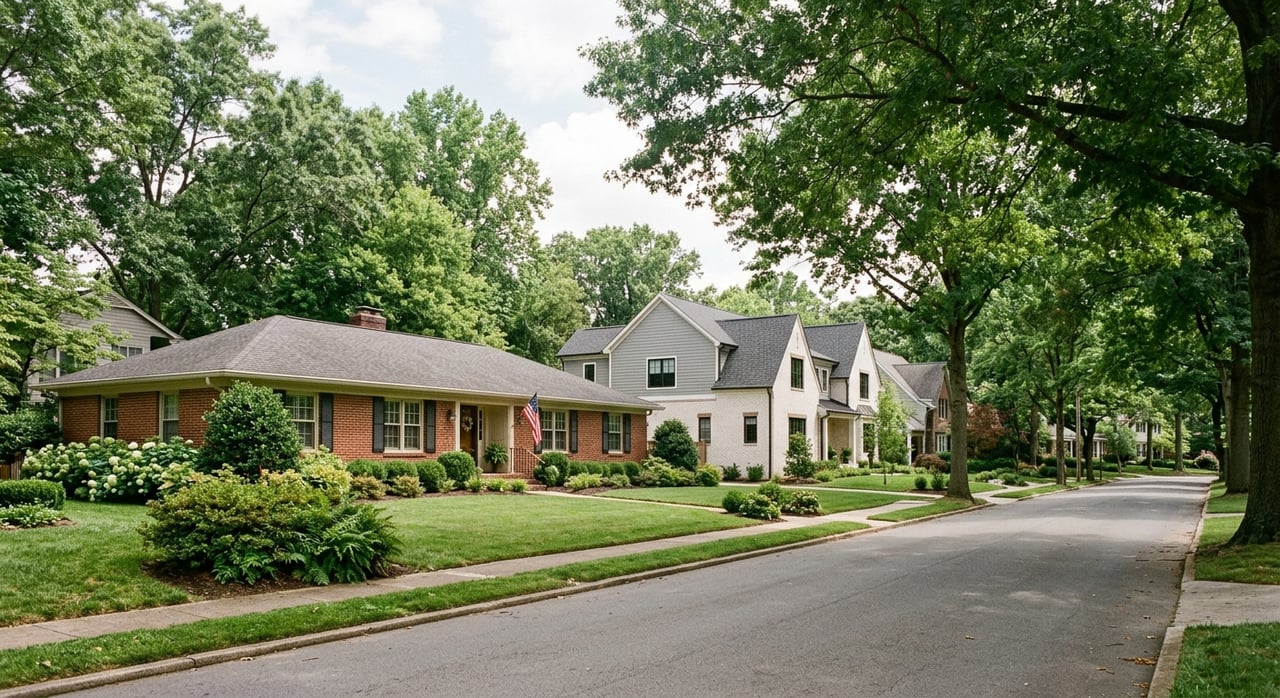
Established streets in Monroe often attract buyers who want more individuality and a stronger sense of place. The city highlights downtown Monroe as an area that blends agricultural history, historic architecture, and active amenities, and it also points to a large Historic District with stately homes and a revitalized downtown setting.
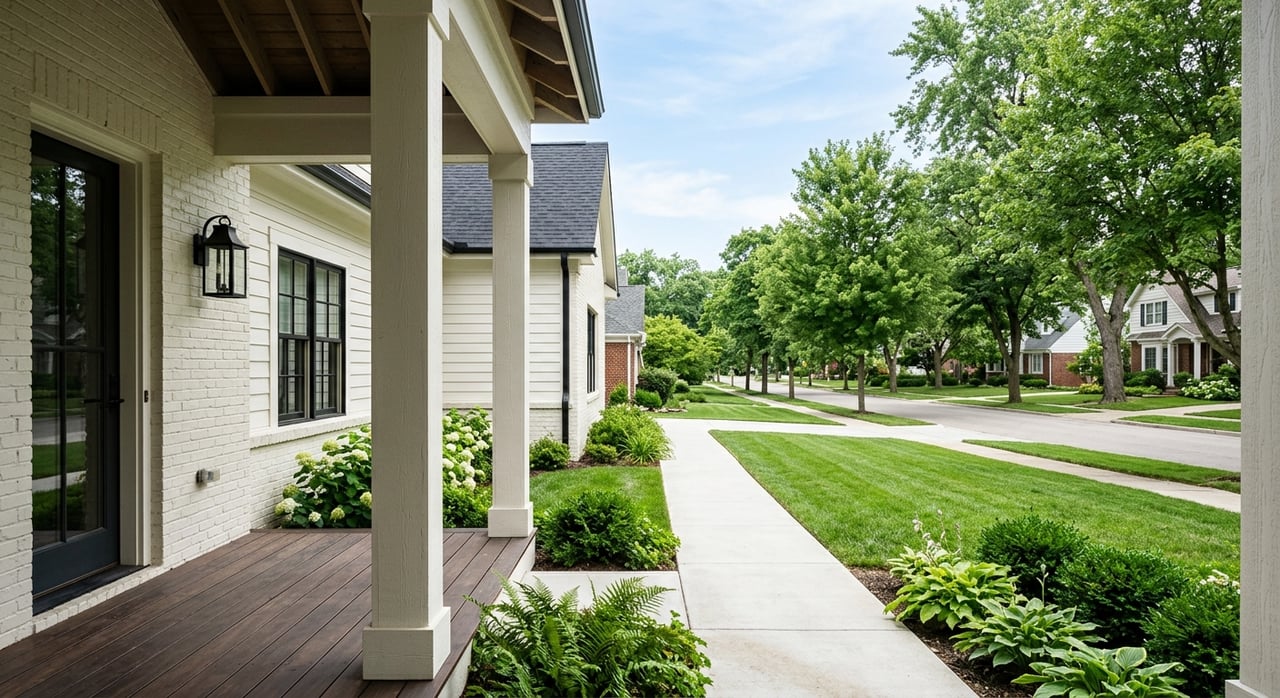
That older fabric creates a different feel from a newer subdivision. In many established areas, you are more likely to see variety in home style, lot shape, and overall streetscape. You may also find a location that feels closer to the central city and tied more directly to Monroe’s long-term identity.
Monroe’s zoning supports this contrast. The Residential Low Density district is intended for single-family homes on larger lots and is designed for areas that may not be served by public water or sewer, with a maximum density of two dwellings per acre. That can create a more spacious and less standardized feel than what you might see in a tightly planned community.
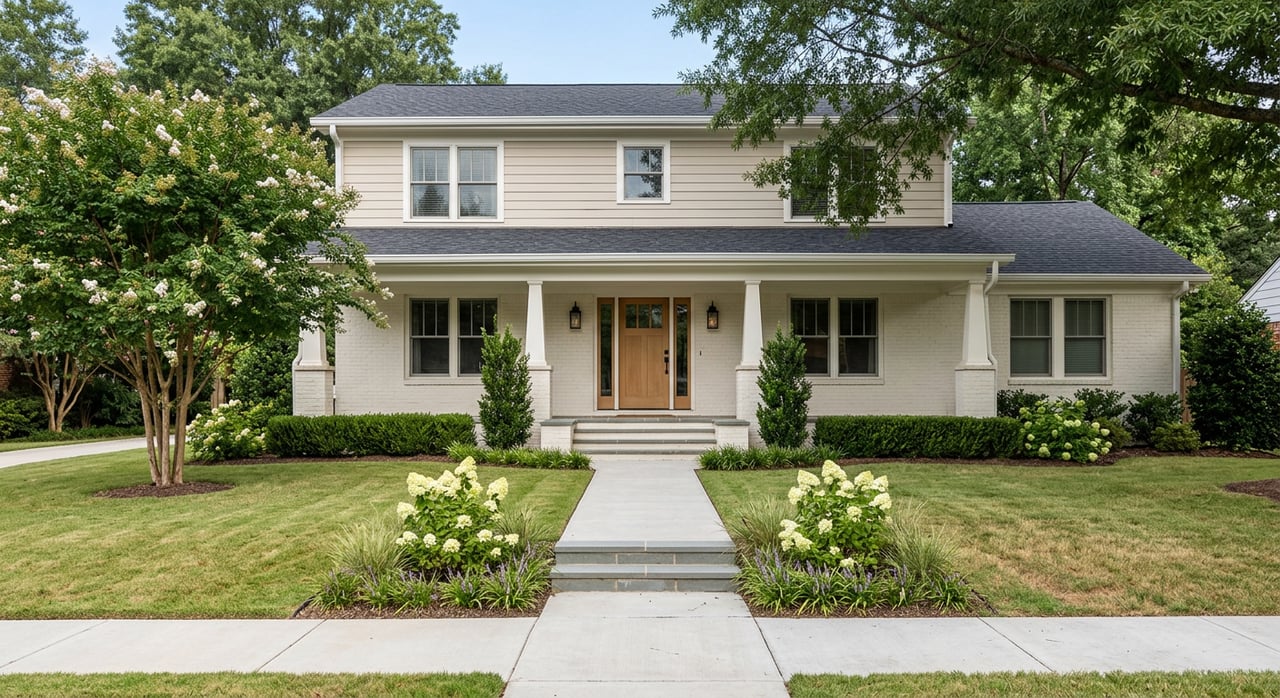
For many buyers, the draw is character. Established streets often offer visual variety, mature landscaping, and homes that do not all look like versions of the same plan. If you value neighborhood personality and a less uniform environment, older parts of Monroe may stand out.
Location is another advantage. If being closer to downtown matters to you, an established area may offer better centrality and a stronger connection to Monroe’s historic core. With the city working on a Downtown Master Plan focused on investment, mobility, public spaces, housing, and the overall downtown experience, nearby areas may continue to draw attention from buyers who value access and context.
Older neighborhoods can be appealing, but they also require a closer look at property-specific details. In Monroe, if a home is within the South Monroe Historic District, exterior changes may be reviewed by the Historic District Commission under the city’s historic district standards.
That does not mean a historic-area home is harder to own. It simply means you need to know what rules may apply before planning changes to the exterior, additions, or material updates. It is also smart to verify utility setup, lot boundaries, and any zoning standards that could affect future plans for the property.
The best Monroe neighborhood for you depends on your priorities. A newer community may be the better fit if you want a newer floor plan, shared amenities, and a more predictable neighborhood setup. An established street may be the better fit if you want character, centrality, and a less uniform feel.
Here is a simple way to think about it:
| If you prioritize... | You may prefer... |
|---|---|
| Newer layouts and systems | New communities |
| HOA-managed open space or amenities | New communities |
| More predictable streetscape | New communities |
| Historic character and individuality | Established streets |
| Closer connection to downtown Monroe | Established streets |
| More variation in lot size and home style | Established streets |
Neither option is automatically better for everyone. The right choice is the one that supports how you live now and how you want your home to work for you over time.
In Monroe, resale is not just about the home. It is also about growth, transportation, and property-specific details. Because the city has grown quickly since 2020, demand patterns may continue to shift as new development and planning efforts move forward.
Transportation is one of the biggest local variables to watch. With ongoing work around US 74 and Rocky River Road, corridor changes may affect traffic, access, and convenience depending on where you buy. If commute time matters to you now, it will likely matter to future buyers too.
School assignment is another item to verify rather than assume. Union County Public Schools assigns schools by address, so neighborhood branding does not guarantee a specific assignment. If that matters to your decision, confirm the assigned school for the exact property before moving ahead.
Whether you are leaning toward a new community or an established street, a few Monroe-specific checks can help you avoid surprises:
These steps can give you a clearer picture of what ownership will really feel like after closing. They can also help you compare two homes more fairly, especially when one is in a newer planned neighborhood and the other is on an older street with more variation.
Choosing between a new community and an established street in Monroe comes down to fit, not hype. If you want help comparing neighborhoods, sorting through property details, and making a confident move in Monroe or anywhere in the Charlotte area, connect with Michael Rowell.
Stay up to date on the latest real estate trends.
Whether buying, selling, or investing, Michael Rowell delivers unmatched service and results. Partner with a local expert who puts your needs first and guides you every step of the way.