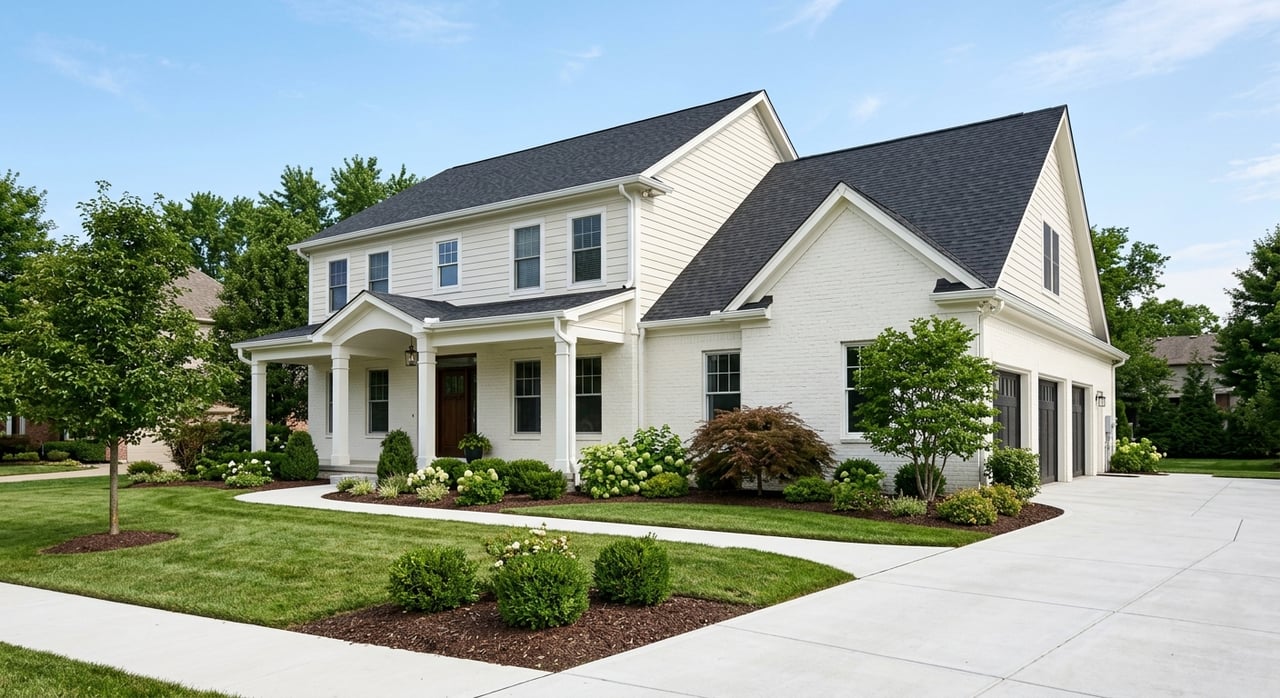
Best Concord NC Areas for a Charlotte Commute
May 14, 2026
May 14, 2026
If you want Concord space without a long Charlotte drive, where you buy matters almost as much as what you buy. A few miles inside Concord can make a real difference when you are commuting to Uptown or University City, especially if you want easier access to I-85, US-29, or NC-73. In this guide, you will see which Concord areas tend to work best for a Charlotte commute, what tradeoffs to expect, and how to narrow your search with more confidence. Let’s dive in.
Concord sits about 18 miles northeast of Charlotte, so the daily commute often comes down to corridor access. In practical terms, the most important connections are I-85, US-29, NC-73, and the Concord Parkway and George W. Liles network.
That means two homes with the same Concord address can offer very different commute experiences. If one home gives you quicker access to a major corridor, you may save time on both your morning drive and your trip home.
For many Charlotte-bound buyers, west Concord is the strongest place to start. This area includes places the city groups within Area 7, such as Afton Village, Afton Park, Riverwalk, Moss Creek, Winding Walk, Highland Creek, Christenbury, and the Concord Mills area.
The biggest reason is simple: this pocket sits closest to I-85 at Exit 49. Concord Mills to Uptown Charlotte can be about 16 minutes by car in lighter traffic, so a reasonable planning range for the nearest west Concord areas is roughly 15 to 25 minutes when traffic is moving well.
West Concord gives you a strong blend of commute convenience and everyday amenities. The Concord Mills corridor includes retail, restaurants, hotels, and mixed-use development, which can make errands and dining more convenient if you want to stay close to home during the week.
This part of Concord also offers access to local greenway connections. The city notes Afton Run Greenway, George W. Liles Greenway, and future Coddle Creek connections in this broader area, which can add outdoor options without giving up commuter access.
The same location that helps your drive can also bring more traffic. The city identifies the Concord Mills and Bruton Smith corridor as an area with easy I-85 access, but also notes heavier congestion during rush hour, events, and holiday shopping periods.
If your schedule is flexible, that may be manageable. If you drive during peak times every day, it is smart to treat proximity to Exit 49 as a plus, while still planning for busy conditions around major retail and event periods.
If you want a commute-friendly area without being right in the busiest Concord Mills pocket, the George W. Liles Parkway, Poplar Tent, and Afton Ridge corridor deserves a close look. This is often the sweet spot for buyers who want strong road access and a newer suburban feel.
The city’s planning materials show this corridor was shaped with connectivity in mind, including the US-29 interchange and pedestrian-oriented development goals. Because it stays close to the I-85 and US-29 system, a practical light-traffic estimate to Uptown is often in the low-to-mid 20-minute range, though rush hour can add more time.
This area gives you a useful middle ground. You stay close enough to Charlotte commute routes while also being near daily destinations like Carolina Mall, Afton Ridge retail, Rowan-Cabarrus Community College, and greenway access along George W. Liles.
For many relocators and move-up buyers, that balance matters. You may not get the shortest possible drive in Concord, but you can get solid access without being as close to the most congested retail core.
If you care about commute access but want more of a local downtown setting, downtown Concord and nearby central neighborhoods are the main alternative. This includes areas such as Historic Concord, Gibson Village, Locke Mill Plaza, Gibson Mills, Governors Pointe, and Harbourtowne.
The city describes downtown as a center for boutiques, local dining, arts, entertainment, and reinvestment. In 2025, downtown also added free public Wi-Fi and music along Union Street, along with expanded sidewalks and more restaurants and bars.
Downtown Concord is usually a little slower for a Charlotte commute than the west Concord and Exit 49 pockets. A reasonable planning range is often around 20 to 35 minutes to Uptown, depending on the exact address and traffic conditions.
That tradeoff can still make sense for the right buyer. If you want a more established local core and like having restaurants, events, and a traditional downtown setting nearby, a few extra commute minutes may feel worthwhile.
If your top priority is not the absolute shortest Charlotte drive, north and central Concord can still be part of a smart search. The city’s Area 6 includes neighborhoods such as Hidden Pond, Sapphire Hills, Weddington Woods, Fairway Ridge, Asheford Green, Sheffield Manor, Laurel Park, Zemosa Acres, Oak Park, Kenton Glen, Cambridge Commons, Winecoff-Belvedere, and Havenbrook.
The city’s Weddington Road Corridor Plan identifies Weddington Road as a significant connectivity corridor across neighborhoods, industrial areas, and parks. For buyers who want a different residential mix, these areas can offer a useful backup option while still keeping Charlotte access in play.
If you do not want to rely only on driving, west Concord stands out again. Rider Transit, also known as CK Rider, serves Concord and Kannapolis with local fixed routes plus the Concord Charlotte Express regional route.
The Concord Charlotte Express connects the Rider Transit Center to the JW Clay Blue Line station. For commuters heading toward Charlotte, that makes it the key transit link from Concord into the larger Charlotte system.
If transit is part of your plan, homes near the Rider Transit Center or near the Concord Mills corridor are worth special attention. CATS Route 54 serves both Concord Mills Mall and University City Blvd Station, which makes west Concord the most practical choice for buyers who want a bus-to-rail option.
That does not mean every commuter will prefer transit. It does mean you should consider whether having a backup to driving could make your week easier, especially if you work near University City or can connect efficiently into rail service.
If you want to narrow your search quickly, here is the practical breakdown.
The best commute area is not always the one closest to Charlotte on a map. You also need to think about how you want your week to feel, from school drop-offs and errands to greenway access, retail convenience, and how much traffic you are willing to tolerate.
A good way to frame your search is to rank these four factors:
Once those priorities are clear, your shortlist usually becomes much easier to build. In Concord, the biggest pattern is straightforward: the closer you are to west Concord and the I-85 corridor, the easier your Charlotte commute is likely to be, but the more likely you are to deal with heavier traffic near major activity centers.
If you are trying to balance commute time, neighborhood feel, and long-term fit, local guidance can save you time. Michael Rowell can help you compare Concord areas, narrow your search, and find a home that fits the way you actually live and commute.
Stay up to date on the latest real estate trends.
Whether buying, selling, or investing, Michael Rowell delivers unmatched service and results. Partner with a local expert who puts your needs first and guides you every step of the way.